

Written by Christoffer Andreasson
Head of Content at Promote
Ask a training provider how someone buys a course from them today, and for a lot of them the honest answer is: they email you. Then you send an invoice. Then you wait for it to be paid. Then someone manually sets the person up. There's no checkout, no self-serve option, nothing that works at 9pm on a Sunday when someone's actually ready to buy. Not because the courses aren't good enough to sell that way, because nobody ever built a way to sell them that way.
The good news is that going digital doesn't have to mean a big project. It comes down to one thing: finding a platform that makes the administration more efficient, no more emailing back and forth or juggling spreadsheets to track who's paid, who's enrolled, and who still needs a reminder.
If you also want to start selling content online, look for a platform whose payment solution handles the logistics automatically too. That opens the door to selling add-ons alongside your instructor-led courses, or selling fully standalone online courses, checkout, account creation, and course access all happening in one flow, with nobody needing to touch it in between. Once that's in place, selling online is simply how you already work, just without the email back-and-forth.
What actually changes with a modern platform?
A modern platform solves two separate problems, not one, and it's worth being clear about which one applies to you.
-
It makes your booking flow efficient, whatever you deliver.
Whether it's an instructor-led course, one-on-one coaching, or a self-paced online program, the manual work of getting someone booked and set up is the same category of problem in every case, and a modern platform automates it the same way in every case. This is true even if you never sell a fully online course at all.
-
With credit card payments built in, you can package your expertise and sell it with no manual overhead.
This is the more specific shift: once payment is automated end to end, what you know can become a standalone online course, something a customer buys, pays for by card, and gets access to immediately, with nobody on your side doing anything in between. That's not just an efficiency gain on top of what you already do. It's a new way to sell what you know.
What does selling without a system actually cost?
Not having any way to sell online doesn't just mean things are slower. It changes what's possible at all:
-
Every sale requires a live conversation.
If buying means emailing you first, you've turned a two-click purchase into a back-and-forth that depends on someone being available to reply. A share of interested people simply don't follow through on an email they meant to send.
-
Nothing happens outside working hours.
Someone deciding to buy a course at night or on a weekend has no way to act on that decision until Monday, and by Monday, some of that intent is gone. With no manual step between purchase and access, there's no reason a sale has to wait for someone to be at their desk. A connected payment provider can turn a purchase into an enrolled learner at 2am without anyone doing anything, which means you can get paid for your content while you're asleep, not just during the hours someone's available to process it.
-
Growth is capped by how many conversations you can personally have.
Word-of-mouth and direct outreach can only carry so much volume before the person handling enrollment becomes the actual bottleneck on revenue, not demand.
-
Every transaction is a one-off, not a repeatable system.
Without a standard way for a purchase to become an enrollment, every sale is handled slightly differently, which makes it harder to know what's actually working.
Why don't more training providers already have this set up?
It's rarely a decision not to sell online. It's usually that nobody ever treated it as something worth setting up:
-
"Selling online" sounds like it requires building a store or a website from scratch, which feels like a much bigger project than it actually is.
-
Training has historically felt like a relationship-driven, B2B sale — invoices and contracts — so a self-serve checkout can feel like the wrong fit, even for courses where it isn't.
-
The manual process works well enough at low volume that there's never been an obvious moment that forces the question.
None of that means every course needs to be sold with a two-click checkout. It means the option usually isn't even considered, because it's assumed to be harder to set up than it is.
What's worth checking before assuming this needs a big project?
-
What happens right now if someone wants to buy from you outside business hours?
If the honest answer is "nothing, until someone gets to their email," that's a specific, fixable gap, not a fact of doing business.
-
How many people have expressed interest but never actually completed a purchase?
That gap between interest and payment is often friction, not a lack of demand.
-
Would this particular course make sense as something someone can just buy, without a call first?
Not every program does, but more than most providers assume, especially anything standardized and repeatable.
-
What would actually need to happen for that to work?
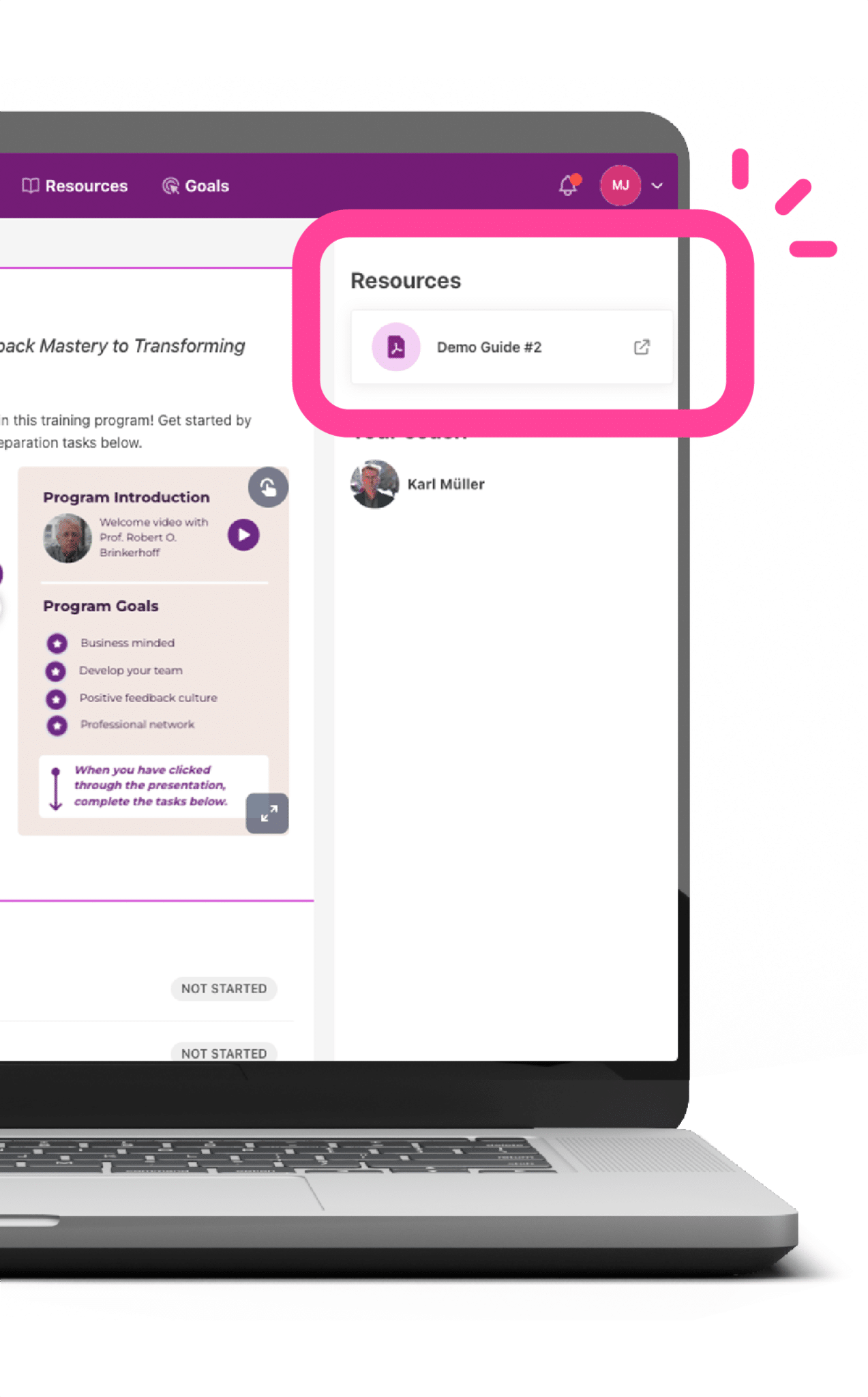
Often just connecting a payment provider, like Stripe or PayPal, to a platform that automatically creates the buyer's account and enrolls them in the right course the moment payment clears. No custom website, no separate store to build.
The point isn't that every sale should be self-serve
Some programs genuinely need a conversation first. The point is that a modern platform gives you two separate wins: a booking flow that's efficient no matter how you deliver, and, if you choose to package what you know into an online course, a way to sell it with zero manual overhead. Once both are automated, selling stops being something that requires you to be available: the sale, the payment, and the enrollment can all happen without anyone lifting a finger, including while you're asleep.
-
Blog
Insight type
-
Platform
Category
-
Payment integration
Topic
-
Table of contents
-
What actually changes with a modern platform
-
What does selling without a system actually cost?
-
Why don't more training providers already have this set up?
-
What's worth checking before assuming this needs a big project?
-
The point {{isn't that every sale}} should be self-serve